

What Makes Asbestos Hazardous
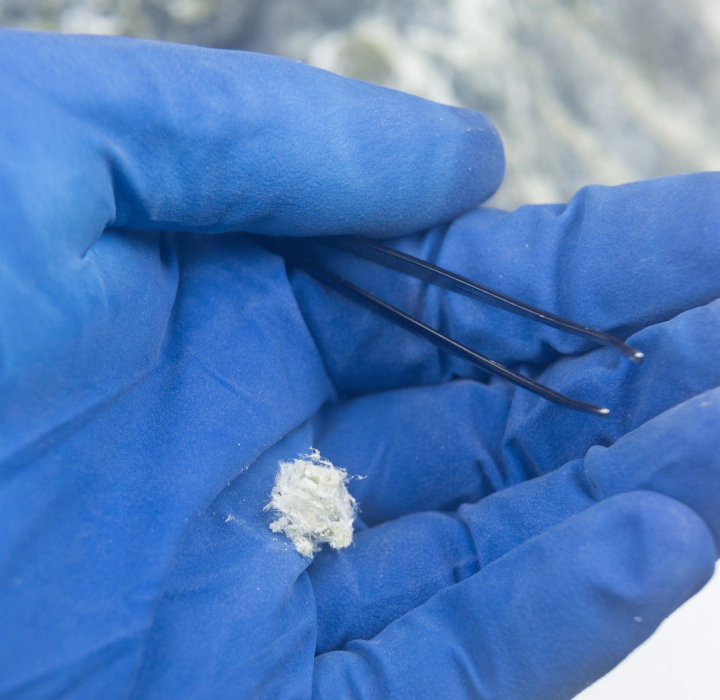
Asbestos refers to a group of naturally occurring fibrous minerals once prized for their heat resistance, durability, and insulating properties. For decades, builders incorporated these materials into construction products ranging from roofing shingles to floor tiles. While asbestos remains stable when undisturbed, deterioration or physical damage releases microscopic fibers into the air. Once airborne, these fibers become inhalable, posing serious health threats to anyone exposed.
The danger lies in the fiber structure itself. Asbestos fibers are exceptionally thin and durable, allowing them to penetrate deep into lung tissue when breathed in. The body cannot break down or expel these fibers effectively, leading to their accumulation over time. This prolonged internal exposure can trigger severe respiratory conditions, including asbestosis, lung cancer, and mesothelioma. Symptoms often take decades to manifest, making early exposure particularly insidious.
Many older buildings throughout the region still contain asbestos materials installed before regulations restricted its use. The fluctuating temperatures and humidity levels common to the area can accelerate the breakdown of these materials, increasing the likelihood of fiber release. Property owners must understand that visual identification alone cannot confirm asbestos presence. Only laboratory analysis of material samples provides definitive results, making professional testing essential before any renovation or demolition work begins.
Common Locations in Buildings
Asbestos found widespread use in construction materials due to its affordability and versatility. In residential properties, manufacturers commonly incorporated it into roofing materials, vinyl floor tiles, popcorn ceilings, and insulation around heating systems. Basement pipe wrapping often contains asbestos, particularly in homes built before 1980. Exterior siding and cement sheets also frequently utilized these fibers for added strength and fire resistance.
Commercial and industrial facilities present even greater potential for asbestos presence. Older warehouses, manufacturing plants, and office buildings may contain asbestos in spray-applied fireproofing, acoustical plasters, and thermal insulation systems. HVAC ductwork insulation, boiler rooms, and mechanical spaces represent high-risk areas where deteriorating materials can release fibers into ventilation systems, spreading contamination throughout entire structures.
The winter freeze-thaw cycles characteristic of the region place additional stress on building materials. Water infiltration followed by freezing can crack asbestos-containing roofing and siding, creating pathways for fiber release. Similarly, the moisture from spring thaws can saturate insulation materials, causing them to sag and crumble. Property owners planning renovations must account for these environmental factors when assessing potential exposure risks. Any demolition activity, no matter how minor, requires proper evaluation to protect workers and occupants from inadvertent fiber release during construction.
Testing and Inspection Protocols
Professional testing begins with a thorough property inspection conducted by certified technicians trained to identify suspect materials. These specialists examine all accessible areas, documenting the condition, location, and extent of materials that may contain asbestos. They collect representative samples using specialized equipment designed to minimize fiber release during the sampling process. Each sample receives proper labeling and chain-of-custody documentation before submission to accredited laboratories.
Laboratory analysis employs polarized light microscopy or transmission electron microscopy to identify asbestos fibers and determine their concentration within collected samples. Results typically return within several business days, providing definitive identification of fiber type and percentage present. This information proves critical for determining appropriate response actions, whether that involves ongoing monitoring, encapsulation, or complete removal.
Property transactions often trigger testing requirements, particularly for commercial buildings or homes built during peak asbestos usage periods. Buyers increasingly request asbestos inspections as part of due diligence, recognizing the financial implications of undisclosed contamination. Insurance considerations also drive testing decisions, as some policies exclude coverage for asbestos-related claims or require disclosure of known materials. Regular inspections of aging buildings help property managers track material condition over time, allowing for proactive intervention before deterioration reaches critical stages. This systematic approach prevents emergency situations that demand costly rushed abatement under compressed timelines.
Safe Handling Requirements
Federal and state regulations establish strict protocols for handling asbestos-containing materials to protect workers and building occupants. Licensed contractors must complete specialized training programs covering proper containment techniques, personal protective equipment use, and decontamination procedures. Work areas require complete isolation using polyethylene sheeting barriers and negative air pressure systems that prevent fiber migration to unaffected spaces. All personnel entering containment zones must wear approved respirators rated for asbestos exposure.
Removal procedures vary based on material type and friability. Friable materials that crumble easily demand greater precautions than non-friable products like intact floor tiles. Workers wet materials thoroughly before disturbance to suppress fiber release, then carefully remove and package debris in sealed, labeled containers meeting regulatory specifications. Decontamination chambers allow workers to exit containment safely, removing protective clothing and equipment before entering clean areas. Air monitoring throughout the process verifies containment effectiveness and confirms safe fiber levels.
Kascon, LLC maintains all required certifications and licensing to perform asbestos abatement work throughout the region. Their teams follow rigorous safety protocols refined through years of specialized experience handling complex projects in residential, commercial, and industrial settings. The company invests in ongoing training and state-of-the-art equipment to ensure every project meets or exceeds regulatory standards. Property owners benefit from comprehensive project management that coordinates testing, permitting, abatement, and final clearance testing under a single point of accountability. This integrated approach minimizes disruption while ensuring compliance with all applicable regulations, protecting both property values and occupant health.
Long-Term Management Strategies
Not all asbestos requires immediate removal. When materials remain in good condition and face minimal disturbance risk, ongoing management programs often represent the most practical approach. These programs include regular inspections to monitor material condition, documentation of asbestos locations, and implementation of operational controls that prevent accidental damage. Facility managers establish clear protocols informing maintenance workers about asbestos presence, ensuring they avoid disturbing these materials during routine activities.
Encapsulation provides an alternative to removal for certain applications. This process involves applying specialized sealants that bind fibers to substrate surfaces, preventing their release into the air. Properly executed encapsulation can extend material service life while significantly reducing exposure risks. However, encapsulated materials still require ongoing monitoring to verify coating integrity, and eventual removal remains necessary when buildings undergo major renovation or demolition.
Property owners must weigh multiple factors when choosing between management strategies. Removal eliminates future liability and provides unrestricted renovation flexibility, but involves higher upfront costs and temporary disruption. Management programs reduce immediate expenses but require ongoing vigilance and may complicate future property transactions. Buildings with high occupant turnover or frequent remodeling activity typically benefit most from complete abatement, while stable-use properties with minimal planned changes may find management programs adequate. Professional consultation helps property owners evaluate these trade-offs within the context of their specific circumstances, regulatory obligations, and long-term property goals. Documenting all decisions and actions creates valuable records that facilitate future property transfers and demonstrate responsible stewardship to regulators, insurers, and prospective buyers.
